Infant Immunity & Seasonal Illness: What Educators Should Know (Part 1)
Dec 09, 2025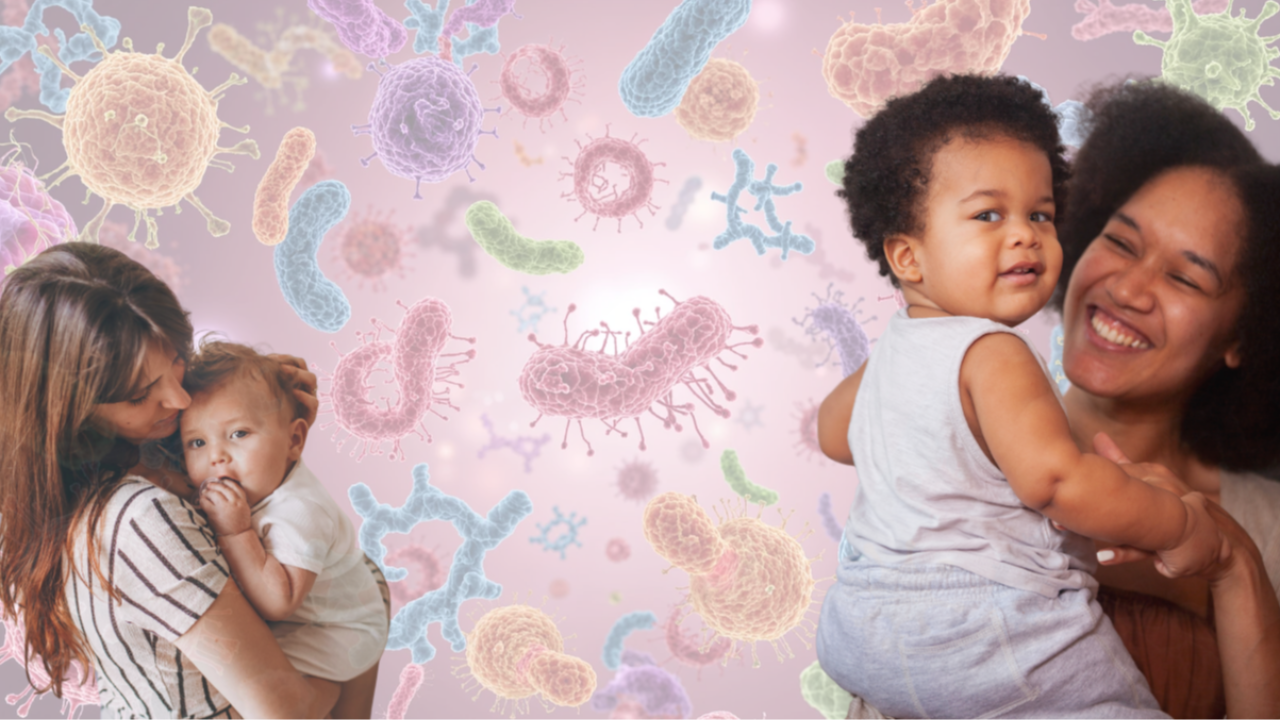
Winter and the holiday season bring chilly weather – and unfortunately, an onslaught of germs. As families gather indoors and viral illnesses peak, infants are especially vulnerable. Newborns and young infants have immature immune systems, and viruses such as RSV (Respiratory Syncytial Virus), colds, and influenza can pose serious risks. In this context, babywearing, the practice of holding your infant close in a carrier or sling, can be a surprisingly effective and easy strategy to safeguard your little one’s health. In this three-part series, we’ll explore how keeping baby close boosts their immune protection and keeps germs at bay, along with practical tips on hygiene (yes, including washing that carrier!). Today, let’s start by understanding why it is that infants are at such a heightened risk for illness in the fall and winter.
Infants Are Vulnerable During “Germ Season”
Immature Immune Systems: Babies are born with developing immune defenses. In the first months of life, they rely on antibodies passed from mom during pregnancy and (if breastfeeding) through breast milk. However, these protections only go so far. A baby’s immune system doesn’t fully mature until around 3 months of age. Before then, they can’t fight off infections as robustly as older children or adults. That’s why pediatricians often recommend limiting a newborn’s exposure to crowds or sick contacts in those early weeks. In fact, it’s advised to “limit your baby’s exposure to germs” during the newborn period – easier said than done during holidays, but very important.
Peak Virus Season: Winter is when many respiratory viruses thrive. People spend more time indoors with windows closed, which facilitates the spread of germs through the air and on surfaces. During holiday gatherings, infants may be exposed to dozens of new people (and their germs). RSV, in particular, surges in fall and winter. It’s so common that nearly every child catches it by age two.
For most healthy adults and older kids, RSV causes a mild cold. But in babies, especially under 6 months, RSV can cause bronchiolitis or pneumonia and lead to hospitalization. In fact, RSV is the leading cause of infant hospitalization in the U.S. Infants have tiny airways that can swell or fill with mucus, making an RSV infection dangerous. Similarly, influenza (“the flu”) and other viruses can hit babies hard because their immune systems are not yet prepared to handle those infections.
How Babies Get Sick: Germs spread in several ways, and babies are often unwitting targets. Viruses like RSV spread through droplets when an infected person coughs or sneezes near the baby, through direct contact (like kissing a baby’s face or hand when you have a virus), or by contaminating surfaces.
Think about a family gathering: a well-meaning aunt with the sniffles might kiss the baby, or a curious toddler cousin might poke the baby’s hands after touching a runny nose. Even if people are cautious, young children often carry viruses from daycare or school and can infect their infant siblings. Babies tend to touch their faces and put their hands (and objects) in their mouths, so if they grab a germy surface (like a shopping cart handle or a toy that another child drooled on), they can easily catch that bug.
What’s more, many viruses can linger on surfaces that babies come in contact with. RSV, for example, can survive for hours on hard surfaces (such as a table or doorknob), for a few hours on fabrics, and for about 20 minutes on skin. That’s long enough to pose a risk – imagine someone sneezes on their hand, then touches a shopping cart, and shortly after you place your baby’s blanket or carrier there. The virus can transfer to those fabrics and then to your baby.
All these factors explain why winter germs spread so easily to infants, and why parents often feel they must be on high alert. It’s not being paranoid; a cold virus or RSV infection in a newborn can become a serious illness. Fortunately, there are ways to reduce the risk. Chief among them: good hygiene practices and minimizing unnecessary exposure. This is where babywearing comes in as a clever tool.
Before diving into babywearing specifically, let’s cover general prevention, because it lays the groundwork:
- Vigilant Hand Hygiene: Frequent handwashing is the single most important step. Everyone who will touch or hold the baby should wash their hands with soap and water for at least 20 seconds. If soap and water aren’t available, an alcohol-based hand sanitizer is a good backup. Parents can carry sanitizer and even disinfecting wipes for wiping down surfaces (like restaurant high chairs or shopping cart handles).
- Limit Exposure to Sick People and Crowds: This is obvious and can be tough during holidays, but try to keep your baby away from anyone who is ill. That might mean gently asking friends or relatives with sniffles to hold off on visits until they’re well. It’s okay to say you’ll “need to do a rain check” on a gathering if people there are sick; protecting your baby is a priority. Even beyond known illness, large crowds (malls, large parties, indoor festivals) inherently involve greater exposure to germs. For most families complete avoidance isn’t practical, but use discretion: perhaps skip that huge New Year’s party with the newborn, or choose off-peak times for necessary outings. Fresh air is your friend – outdoors gatherings or walks have a lower risk of transmission than cramped indoor spaces.
- Vaccinations and New Immunizations: Babies under 6 months can’t get a flu vaccine and rely on others for indirect protection. Remarkably, RSV prevention tools have recently become available: as of 2023, there’s a new maternal RSV vaccine (given in late pregnancy) and a monoclonal antibody shot for infants (nirsevimab) that can significantly reduce the risk of severe RSV. While this blog focuses on behavioral measures such as babywearing, it’s important to note that modern medicine can also add layers of protection. Talk to your doctor and pediatrician about these options, especially if you’ll be unable to mitigate the other factors.
- Clean Environment & Fabrics: Keep your home environment clean – disinfect frequently touched surfaces (door knobs, counters, toys) regularly during cold/flu season. Use baby-safe cleaners and ventilate your home with fresh air when possible to disperse germs. Wash and dry your baby’s clothes, blankets, and bedding regularly in hot water/high heat if possible. Germs can linger on fabrics, so frequent laundering reduces the risk of exposure. Importantly, this includes items like your own clothes if you’ve been out and about – many parents make it a habit to change clothes when they get home before scooping up the baby. If you’ve been on public transit, at the office, or at the gym, etc., consider removing your outer layer (coat or sweater) that may carry germs, then wash your hands before picking up your infant. These small steps cut down on how many microbes make it into your baby’s space.
Now, where does babywearing fit in? In multiple ways, as it turns out, from physically blocking germs to bolstering the baby’s own resilience. Read the next part of this series, Babywearing: A Protective Shield During the Winter Germ Season (Part 2), to understand how babywearing can help reduce baby's risk of getting sick.