Event Report | Connected in Babywearing | April 28 2026
May 05, 2026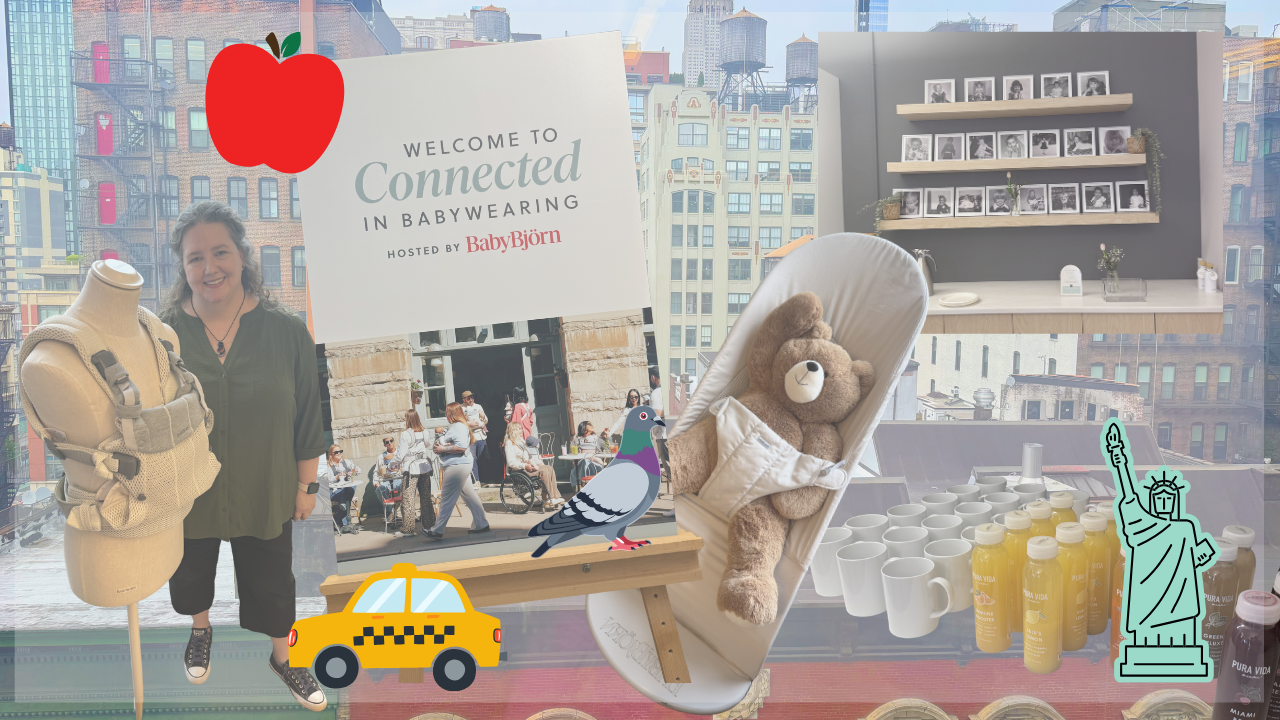
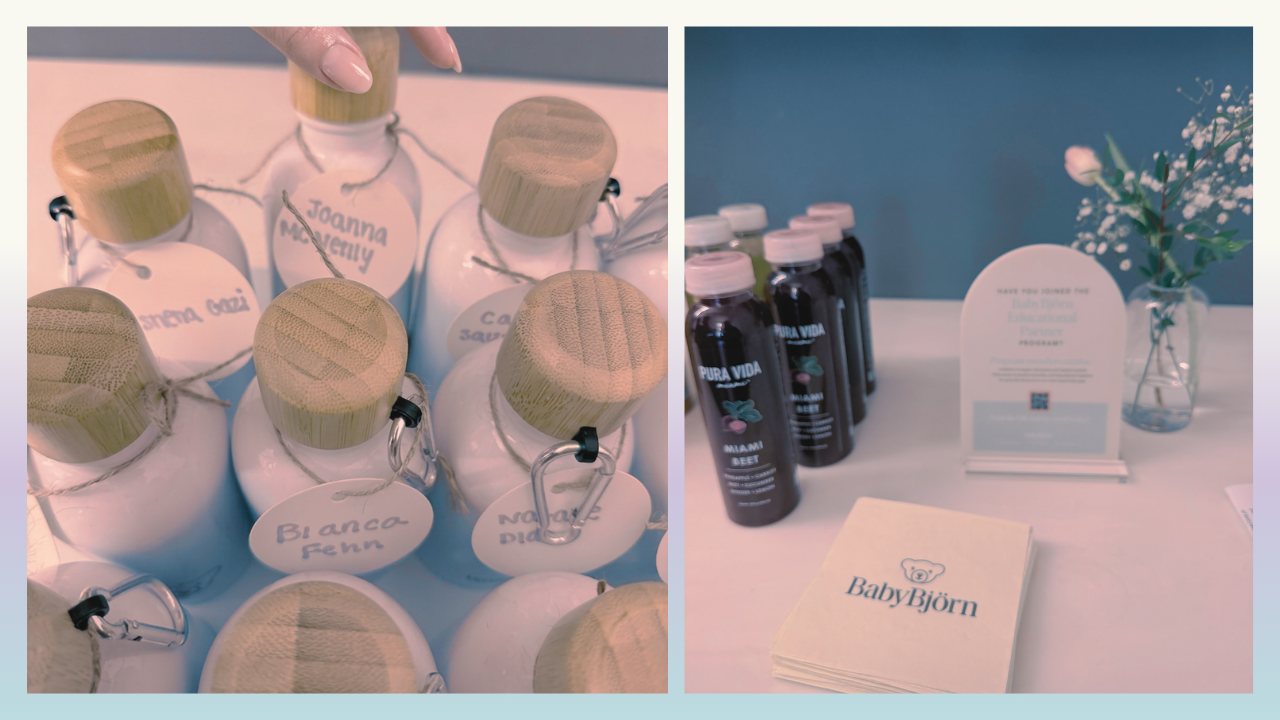
Last week, I was at BabyBjörn’s Connected in Babywearing event in New York City, and what I liked most was that it felt like an actual conversation, not people talking at each other. Also, a quick shoutout to Ashley, Cara, and Waverly, fellow local babywearing educators. It was so nice to finally meet you in person. 💜
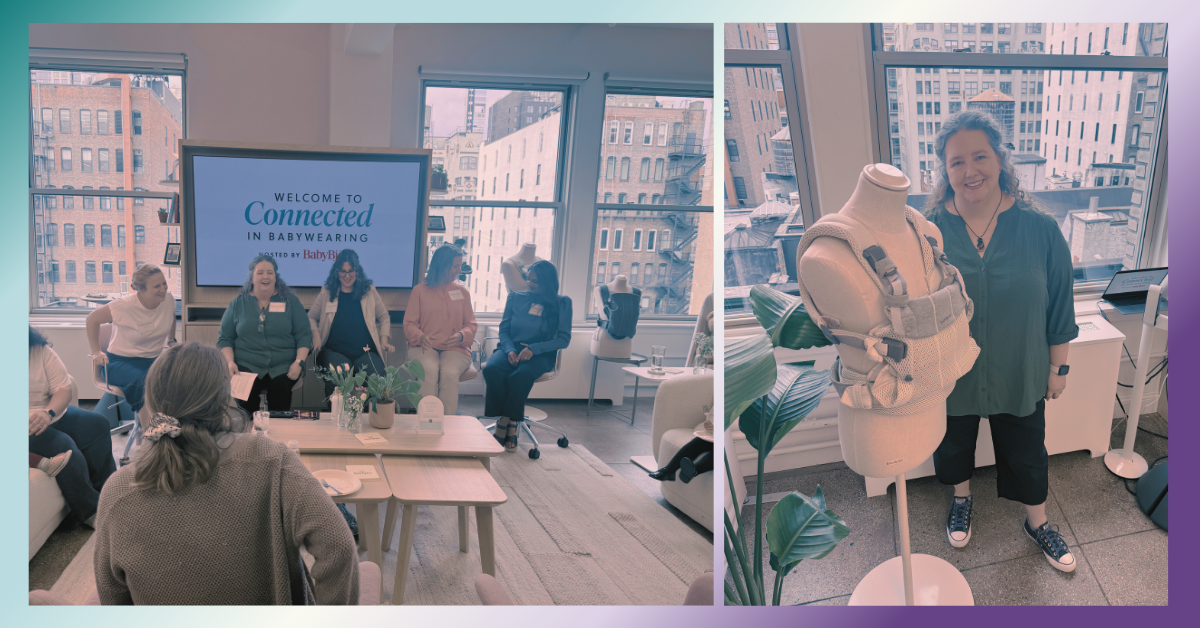
The panel included Dr. Sneha Gazi, Robin J. Winn , Joanna McNeilly, and Jordan Morillo (aka the Babywearing.ot 💛, and the room was full of people who work closely with families every day, babywearing educators, pelvic floor therapists, doulas, lactation consultants, childbirth educators, infant development specialists, and other professionals who all keep running into similar questions from parents.

And honestly, many of those questions aren't really about babywearing or baby carriers.
They’re about fear. Uncertainty. Confusion.
People want to know if they are doing something wrong.
Is the baby safe?
Is the baby too high, too low, too tight, or too loose?
Is the head support wrong?
Are the hips wrong?
Are they somehow ruining everything because something or someone on Instagram told them so?
It had been a while since I was at an in-person babywearing event, October 2025, actually, so it felt good to be back in a room with people talking through these things in real time.
Early on, Joanna said something that really set the tone for the rest of the conversation:
“Safety matters, but safety and fear are not the same thing.”
Because yes, Airway matters. Breathing matters. Circulation matters. Preventing falls matters.
But when every tiny adjustment turns into panic or anxiety creeps in, parents stop trusting themselves.
And honestly, we see that all the time.
One of the best parts of the panel was hearing how everyone approached that from different angles. The PTs were talking about pelvic floor recovery and how sometimes the issue is not the carrier, it is that someone is freshly postpartum and their body is still healing. OTs were talking about movement and how babies need support, but they also need the freedom to move and respond. Joanna kept bringing it back to the fact that babywearing is a skill, a skill with rapid changes, and skills take practice.
Not perfection. Practice.
There was also a meaningful conversation around comfort, and I think that was one of the biggest aha moments for several attendees.
Comfort, or lack thereof, is information.
If the caregiver is hurting, if the baby keeps pushing away, if something feels pinchy, unstable, too tight, too loose, or just off, that matters.
It does not automatically mean danger, or that it’s wrong, but it does mean something needs another look.
That feels so obvious when you say it out loud, but so many people assume discomfort means they are just bad at babywearing. Or that this is what babywearing feels like, and either grin and bear it or don’t do it. Guess what most people choose.
Usually, it means we need to adjust something.
The ‘something’ is unique to each person.

The hip conversation was another good one because people get so locked into exact positions and perfect angles. This was a widespread concern, and many people shared that their clients are concerned about this too. Everyone kept coming back to the same thing: babies need support, yes, but they also need movement. Joanna said something that made me smile, and Robin jumped in to agree.
“Movement is life.”
Babies:
- are supposed to wiggle.
- are supposed to shift.
- are supposed to have little micro-adjustments.
That is in babies development, not really a problem to fix.
There is more to a baby than their hips. But hip development happens rapidly, and the early months matter. What we heard is that position and support are important, but movement and opportunities for developmental practice, delivered in small, manageable doses, are crucial to the infant’s physical and emotional needs.
Same with head support. Currently, the internet loves turning the headrest flap into a moral issue. Meanwhile, the real answer is… it depends.
A sleeping newborn and an awake, curious baby are not the same thing. A baby with good trunk support and a baby without it are not the same thing.
The question is not which is right, “the flap up or down,” it’s “is the baby supported, can they breathe, and are you actually paying attention to what’s happening?”
That’s a much better question.

One moment that really stayed with me came from someone in the room who has two adult children. She talked about how none of this was really part of the conversation when her kids were little, not babywearing support, not body tension, not pelvic floor health, not movement development, not the connection between colic and discomfort, not early referrals.
I could feel the whole room react to that, because it was one of those very clear “wait… this should have existed already” moments.
Like, families should not have to stumble into this information and help by luck.
That really became the bigger takeaway.
The answer is not one perfect carrier. Or one perfect position, headrest, or hip and body position.
It’s support, earlier.
Prenatal conversations.
Better and integrated referrals.
Professionals talking to each other instead of working in separate little islands.
Brands actually helping educate, rather than just selling products with little guidance on how things change.
And parents being told that if something feels off, they are allowed to ask questions.
As Joanna shared:
“The manufacturer is the primary educator. If someone has questions or needs some help, first the manufacturer should support the customer, after all, it's their product. Then, when they can’t, won’t, or things evolve, as they do, then it’s great to work with a babywearing educator. Maybe, it’s best to just start with the educator and find the right carriers from the get-go though.”
Because most of the time, what families need is not another rule.
They need someone calm in the room, saying, “Let’s look at what is actually happening.”
That is the part that really matters.